
Wireless Construction Across Critical Markets
Different Markets. Different Expectations.
Wireless infrastructure may look similar from one site to the next, but the organizations that depend on it can operate very differently.
Commercial carriers and tower companies work at the pace of network deployment and upgrade programs. Utilities operate within highly controlled environments where safety, access, coordination, and continuity of operations are paramount. Government and public safety agencies depend on communications systems that must remain available when they are needed most.
We understand those differences. Our experience across commercial, utility, and government communications infrastructure means our teams understand not only the work to be performed, but the requirements, priorities, and expectations of the organizations we work for.
Commercial Telecom
Keeping People and Businesses Connected
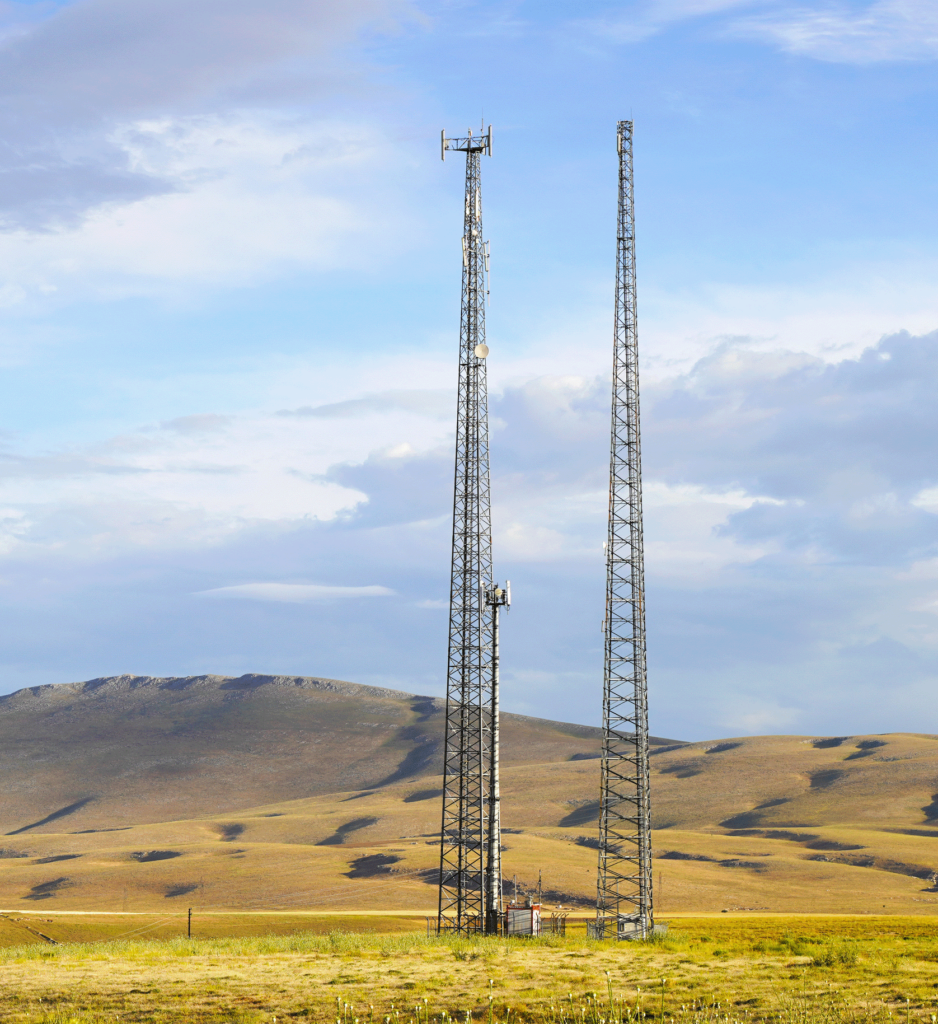
Commercial wireless networks provide the cellular connectivity people and businesses rely on every day. ETS Construction supports tower companies, wireless carriers and infrastructure providers building and maintaining the physical infrastructure behind modern 4G LTE and 5G networks.
Our crews work across new builds, network upgrades, and existing sites, providing the field resources needed for tower construction, equipment installations, antenna and radio upgrades, structural modifications, repairs, and maintenance. Whether it is a single site or a multi-site deployment, we understand the schedules, coordination, and pace expected in commercial wireless construction.
Utilities & Cooperatives
Communications That Keep the Grid Operating
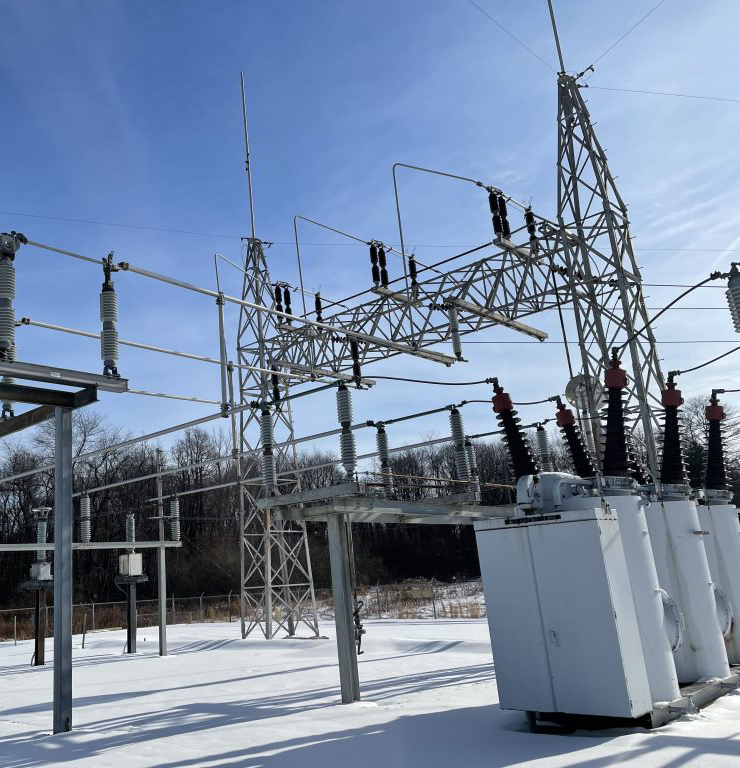
Utilities rely on private communications networks to connect substations, field operations, control systems and other critical infrastructure across their service territories. These networks can include private LTE, microwave, LMR and other operational communications technologies.
Much of this infrastructure sits within substations, transmission facilities, remote tower sites, and other active utility properties. Working in these environments requires more than construction capability; it requires an understanding of utility safety practices, site access, operational constraints, and the coordination expected when working around energized and critical infrastructure.
Government
Communications When They Matter Most
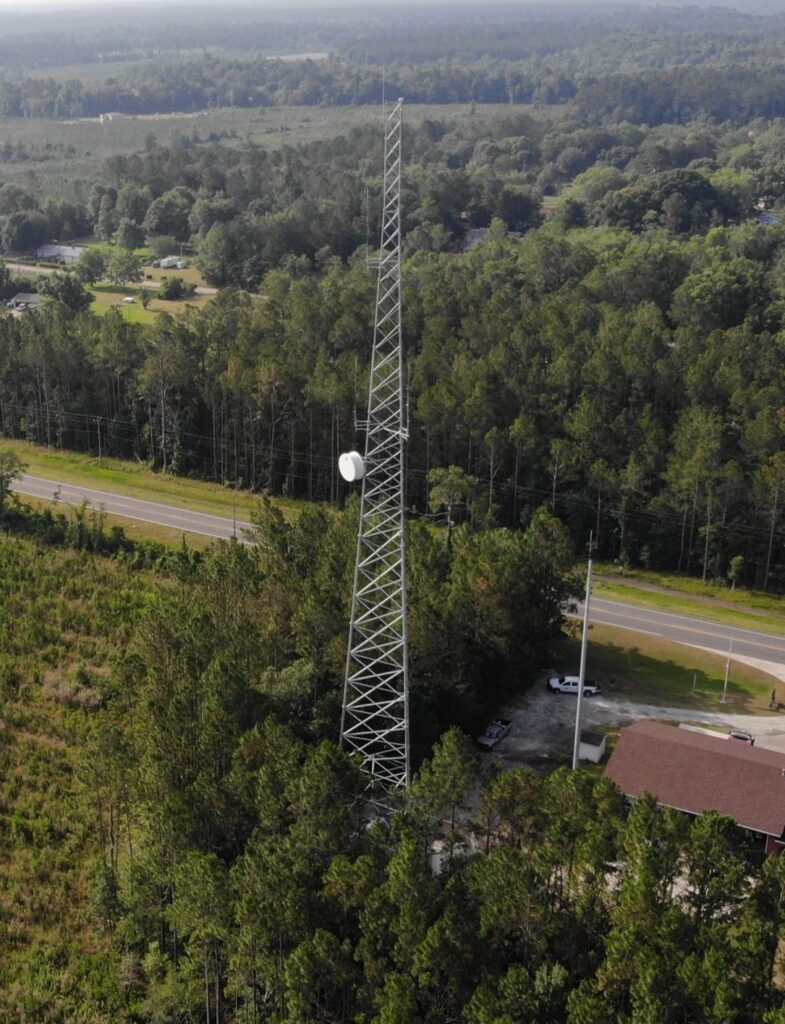
State and local governments depend on dedicated communications networks to connect first responders, dispatch centers, emergency operations and public agencies. These systems commonly combine P25/LMR radio, microwave backhaul, broadband/LTE, and other technologies to provide reliable communications across cities, counties, and statewide networks.
From county communications towers to remote mountaintop facilities and statewide systems, we recognize that work on public safety infrastructure has to be planned around the people who depend on it. Maintaining communications, coordinating outages, working within agency requirements, and minimizing disruption are fundamental to how these projects are approached.
Built Around the Way You Operate
Whatever technology the network uses, successful construction requires more than completing the physical work. It requires understanding how the owner operates, what matters at the site, and what is expected of every contractor working there.
ETS Construction brings that understanding to every project — from commercial wireless deployments to utility communications systems and mission-critical public safety networks.